
25 August 2026
The Social-Emotional Needs of Gifted Children
Giftedness is not just an academic trait — it comes with intense emotions, asynchronous development, and a need for like-minded peers. Here's what families need to know.
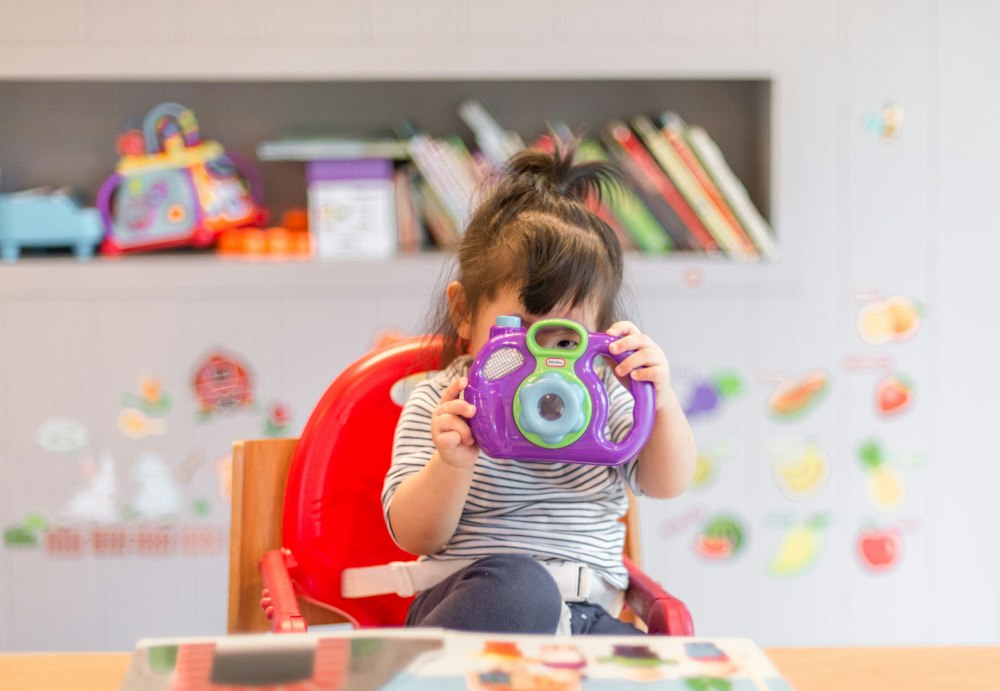
Many parents are surprised to discover that their academically advanced child struggles socially or experiences intense anxiety. This is not a contradiction — it is a hallmark of giftedness.
Asynchronous Development
Gifted children often develop at different rates across different domains. A ten-year-old may read at a university level while reasoning about fairness and friendship in ways typical of a seven-year-old. This uneven development creates a genuine internal tension that the child themselves may not be able to articulate.
Overexcitabilities
Dabrowski’s concept of overexcitabilities describes heightened responses across five domains: psychomotor, sensory, intellectual, imaginational, and emotional. Most gifted children experience at least two or three of these intensely. Rather than pathologising this intensity, families and schools can channel it productively.
Finding Their People
One of the most powerful interventions for gifted children’s social-emotional wellbeing is simply finding peers who share their interests and intensity. Subject acceleration, enrichment programmes, and online communities all serve this purpose.
Our parent resources include a detailed guide on navigating social challenges and building the right community for your child.